
 0
0
 0
0
Pennsylvania students have access to programs and resources that support their
educational success
Lancaster, PA – As Pennsylvania college students head back to school, the
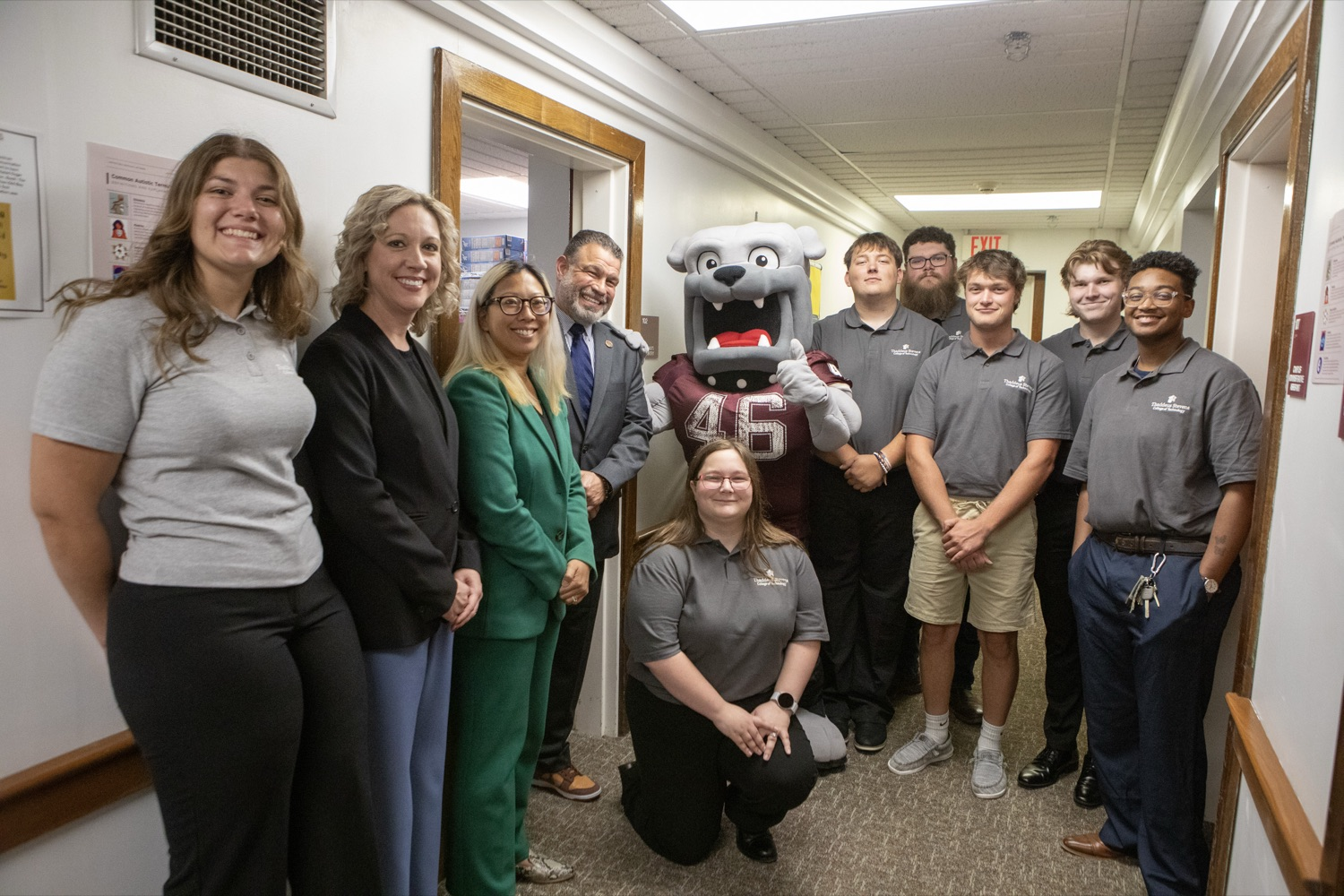
Pennsylvania Insurance Department (PID) joined the Pennsylvania Departments of
Education (PDE) and Human Services (DHS) at Thaddeus Stevens College of
Technology today to highlight the importance of renters’ insurance and other resources
available to help students succeed.
“Heading back to school is an exciting time, but many students are unaware of the
financial risks of fire, theft, or other unexpected losses that occur in dorms, apartments,
or even while commuting,” said Pennsylvania Insurance Commissioner Michael
Humphreys. “Whether you’re in a dorm, renting an apartment, or living at home while
commuting, you should assess your insurance needs to ensure that your belongings are
covered if the unexpected happens. I want Pennsylvania students to know that renters’
insurance is an affordable way to protect personal belongings such as laptops,
textbooks, furniture, and clothing.”
Students living in their college or university’s campus housing are likely covered through
their parents’ homeowners insurance policy, but you should consult with your agent to
determine exactly what is covered. Students living in private, off-campus housing,
should consider taking out a renters’ insurance policy just like any other renter. Renters’
insurance is often available for $15 to $20 per month. Many insurance companies will
allow you to bundle your renters’ insurance with other policies, like your auto insurance,
making it less expensive.
What Renters’ Insurance Can Do for Students:
● Covers personal property: Protects items such as laptops, phones, and clothing
against risks like fire, theft, and vandalism;
● Provides liability protection: Covers costs if someone is injured in a student’s
rented space;
● Offers additional living expenses: Pays for temporary housing if a rental unit
becomes uninhabitable after a covered event; and
● Helps commuter students: Covers belongings kept in cars or while traveling to
and from school.
PID encourages students and parents to:
● Check with their insurance agent or company whether their homeowners
insurance extends to dorm residents;
● Shop around and compare renters’ insurance policies. You can begin a policy at
any time regardless of when you signed your lease;
● Understand what is and is not covered under a policy;
● Remember that if you have a roommate, their policy does not necessarily cover
you; and
● Consider taking out a renters’ insurance policy even if your landlord doesn’t
require it. Even if a landlord insures the space you rent, their policy does not
mean that you and your belongings are covered.
Pennsylvanians can learn more about renters’ insurance or submit a complaint to PID,
by visiting PID’s website.
PA EmpowerU and SNAP for College Students
Under Governor Josh Shapiro’s leadership, PDE has partnered with higher-education
leaders across the Commonwealth to provide health, safety, and basic needs support to
Pennsylvania’s postsecondary students by connecting them with important resources
right on their campuses and at their fingertips. PA EmpowerU is a cross-agency
partnership that expands upon the mission of PDE — ensuring every student not only
has access to education, but that the education pursued provides them with support and
resources to create optimal learning environments.
This initiative complements investments in higher education and engages
postsecondary institutions in several keystones of work, including digital equity, housing
and transportation, mental health, personal needs, adult student needs, financial, and
safety and belonging.
On October 21, 2025, PDE will host a webinar with information for postsecondary
institutions interested in the PA EmpowerU initiative and ways to provide more
supportive resources for their students on campus. Join us from 10 a.m. to noon to
learn about opportunities to support Pennsylvania learners, meet their needs and thrive
in college, credential pathways, and career. The webinar will review both student and
institutional resources available, demonstrate how to navigate the new online
architecture, and help connect you to all PA EmpowerU has to offer. Please register for
and share this statewide webinar throughout your network.
Previously branded as PA MASLOW, PDE’s PA EmpowerU initiative also offers a onestop-shop website for postsecondary students to find help with everything from mental
health to financial aid to parenting support.
“When you choose to pursue higher education in Pennsylvania, those us of here at PDE
and throughout the Shapiro Administration are here to support you. There are countless
programs designed to help you succeed, and through the PA EmpowerU initiative,
we’ve brought them together in one place to make accessing those resources easier
than ever,” said Dr. Lynette Kuhn, PDE’s Deputy Secretary and Commissioner for
Postsecondary and Higher Education.
For example, the PA EmpowerU website offers a full list of resources for college
students experiencing food insecurity — including the Supplemental Nutrition Assistance
Program (SNAP) administered by DHS.
DHS encourages every Pennsylvanian experiencing food insecurity to apply for SNAP,
including students. According to a recent report from Temple University, 39 percent of
students in two-year higher education programs, and 26 percent of students in four-year
programs experience food insecurity.
Snap for college students may be available for eligible Pennsylvanians who need help
buying food. SNAP gives recipients extra money each month to buy food at grocery
stores, online retailers, and farmers’ markets. Historically, enrollment in college or a
graduate program limited a student’s ability to receive SNAP, even if their family
qualified. However, state and federal policy has expanded in recent years to recognize
the difficult financial realities that can occur when a person chooses to invest in their
future.
In Pennsylvania, colleges can certify employment programs to expand SNAP eligibility
to students who qualify for the program but who would otherwise be ineligible because
of their status as a student. Colleges and universities can learn more about this
flexibility and how to certify programs by contacting DHS.
“Students should not have to choose between paying for their tuition and paying for
groceries. Resource Centers like the one at Thaddeus Stevens are a vital part of the
food assistance network and a lifeline for many to help them meet their basic needs,”
said Hoa Pham, DHS Deputy Secretary for the Office of Income Maintenance. “I
encourage students or any Pennsylvanian who needs help paying for food to apply for
nutrition assistance benefits. Programs like SNAP provide extra support so that
students can both pay for their education and stay nourished.”


 LanChester NUZ 92.9 provides links to web sites of other organizations in order to provide visitors with certain information.